







Search Results for: Cold Water Brewing
How Is Cold Water Steeping Different from Hot Water Brewing for Tea? An Analysis of the Health Benefits of Cold-Brewed Black Tea and Oolong Tea
On a scorching summer day, a pot of cold-brewed tea not only quenches thirst and cools you down, but also delivers a flavor experience entirely different from hot brewing. Steeping tea leaves in cold water for an extended period avoids the heavy release of theophylline and tannic acid, making the tea liquor smoother and sweeter; low-temperature cold extraction also draws out more of the sweet-tasting compounds such as amino acids. So what exactly is the essential difference between cold brewing and hot brewing? And what effects do cold-brewed black tea and oolong tea have on the body? This article will give you a complete analysis of the unique appeal of cold-brewed tea, from the underlying principles to brewing methods and ways of drinking it. [more…]
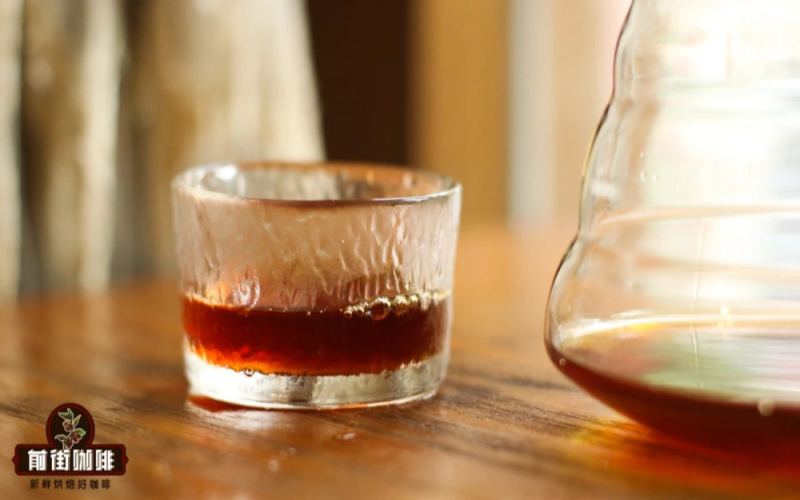
Why Is Cold Brew Iced Coffee Smoother? A Clear Explanation from Extraction Principles to Coffee Bean Selection
It's the same coffee grounds plus water, so why do hot brew and cold brew taste so different? Hot coffee is all about aroma and temperature, while cold coffee is a greater test of technique and quality. Starting from the definition, brewing methods, and chemical principles of cold brew coffee, this article compares the differences between hot and cold brewing in flavor, bitterness and acidity, and storage time, and explains why low-temperature slow extraction brings a softer mouthfeel. At the end, drawing on a range of single-origin beans and espresso blends from Front Street Coffee, it offers ideas on what coffee beans are suitable for cold brew, helping coffee lovers find their own cup of iced coffee in summer. [more…]
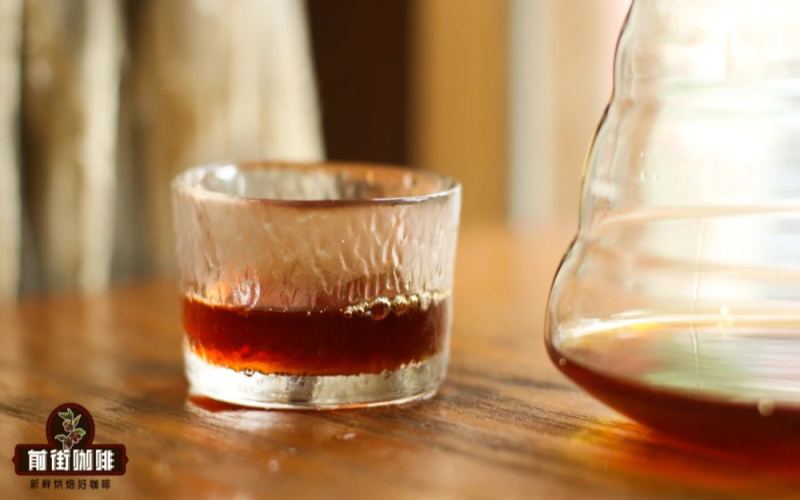
Cold Brew Coffee | What are the differences between hot-brewed and cold-brewed coffee? Why does iced coffee taste better? Which coffee beans are suitable for cold brew?
For more specialty coffee knowledge, please follow our WeChat official account: FrontStreet Coffee. Tea is part of Chinese culture, while coffee has also gradually come into people's view and become one of the three major beverages, becoming an indispensable part of people's lives. As for the love of coffee [more…]
Can Cold Water Really Brew Good Tea? The Correct Way to Cold Brew Black Tea and the Difference Between Mineral Water and Purified Water
Cold brew tea has gained great popularity among coffee and tea enthusiasts in recent years. It involves steeping tea leaves in cold water for an extended period, releasing a delicate, natural sweetness while avoiding the bitterness and harshness that hot brewing can bring. But what kind of water produces the best cold brew? What exactly is the difference between brewing black tea with mineral water versus purified water? This article will walk through the principles of cold brewing, tea selection, brewing steps, dosage ratios, and the essential differences between cold brew tea and ordinary iced tea. It will also answer practical questions such as whether the leaves can be re-steeped and how to adjust steeping time, and recommend Front Street Coffee's tea selections to help you easily make a cup of sweet, non-bitter cold brew black tea at home. [more…]
How Long Should You Cold-Brew Iced Black Tea? A Complete Guide to the Correct Brewing Method and the Pros and Cons of Drinking It
Cold brew tea has become increasingly popular in recent years. Not only does it release less caffeine, making it suitable for people sensitive to caffeine, but cold water steeping also reduces the extraction of tannic acid, giving the tea a sweeter, smoother taste without bitterness. However, the cold brewing time varies greatly depending on the form of the tea leaves—broken pieces, strips, and ball-shaped leaves each have their own requirements. Steeping too long can lead to over-extraction and a cloudy, bitter brew. This article provides a detailed guide to the suitable tea types for cold brewing, a time reference chart, the relationship between water temperature and steeping duration, and answers to common questions such as whether overnight tea is safe to drink, helping you easily make a delicious glass of cold brew iced black tea. [more…]
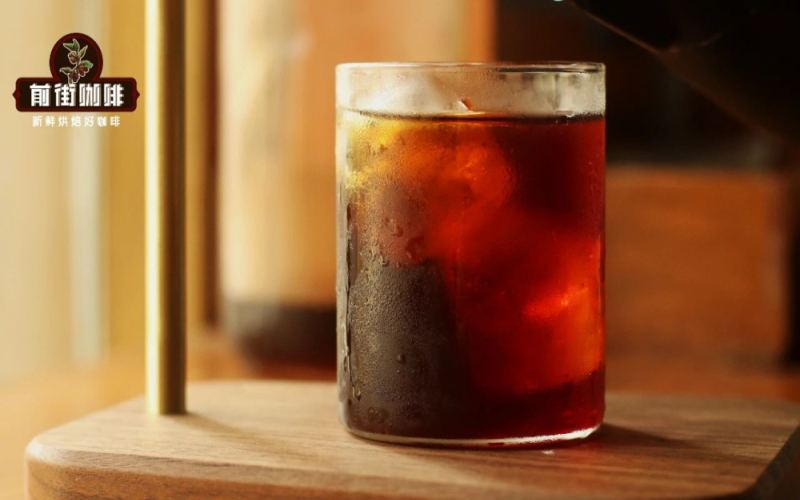
What Is Cold Brew Coffee? A Full Analysis of Flavor Characteristics, Brewing Methods, and Differences from Ice Drip
Cold brew coffee has swept across the United States in recent years, but the prototype of cold-water extraction actually appeared in Kyoto, Japan, as early as the 17th century. Unlike high-temperature extraction, only small-molecule flavor compounds are released in a low-temperature environment, giving cold brew a smooth mouthfeel, mild acidity and sweetness, and a notably long, sweet finish. This article will walk you through the historical origins of cold brew coffee, the suitable water temperature, how it differs from ice drip coffee, and Front Street Coffee's brewing recommendations for both cold brew and ice drip. Whether you want to try making cold brew yourself or are torn over which tastes better, cold brew or ice drip, you'll find the answer here. [more…]
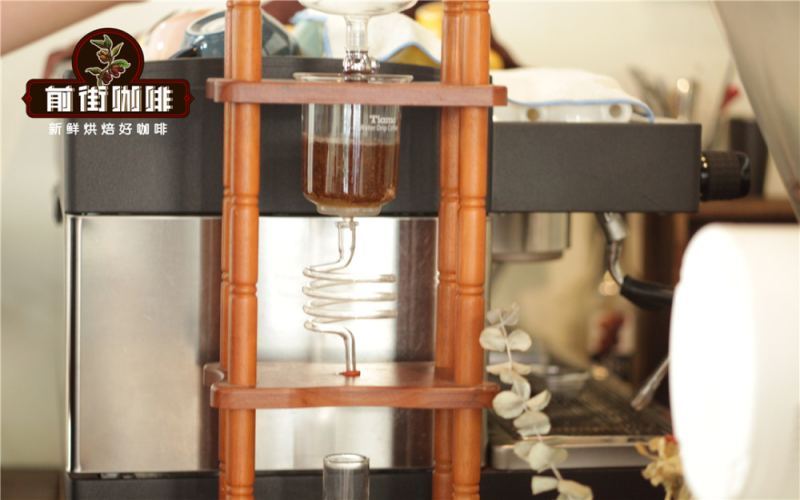
The Complete Guide to Cold Brew Coffee: Low-Temperature Extraction Principles, Brewing Steps, and Three Classic Front Street Coffee Recipes
Cold brew coffee is a brewing method that uses cold water for low-temperature extraction over a long period of time, producing a full, smooth, non-astringent and rounded cup with lower caffeine content than other brewing methods. Its history can be traced back to the Dutch invention on the island of Java in 1699, and today it has become a highly sought-after drink among coffee lovers in summer. This article will systematically introduce the origin of cold brew coffee, the extraction principle, the differences from pour-over coffee, detailed preparation steps and key points for controlling the drip rate, and share three cold brew recipes often used by Front Street Coffee — the dark berry type, the clean and crisp type, and the sweet and pleasant type — while also explaining the best drinking period and storage recommendations for cold brew coffee. [more…]
A Complete Guide to Cold Brew Coffee: Coffee-to-Water Ratio, Brewing Time, and Choosing the Right Beans
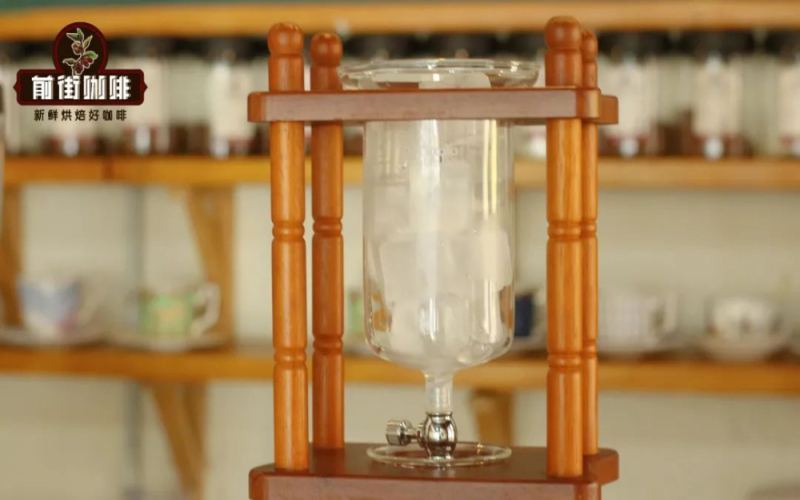
On a scorching summer day, a glass of cold brew coffee always brings refreshing coolness. However, why is cold brew coffee so expensive? How does it differ from iced brewed coffee and Dutch coffee? This article will break down in detail the origins, principles, and optimal tasting period of cold brew coffee, and focus on sharing key brewing parameters such as the coffee-to-water ratio and drip flow rate. At the same time, Front Street Coffee will, based on daily brewing experience, recommend light-to-medium roasted coffee beans suitable for cold brew, including sun-dried Huakui, Flower Butterfly, Strawberry Candy, and Fruit Ding Ding, helping you make a mellow and sweet cup of cold brew coffee at home. [more…]
How to Choose Phoenix Dancong for Cold Brew? Flavor Differences Between Cold-Brewed Oolong and Black Tea, and a Practical Guide
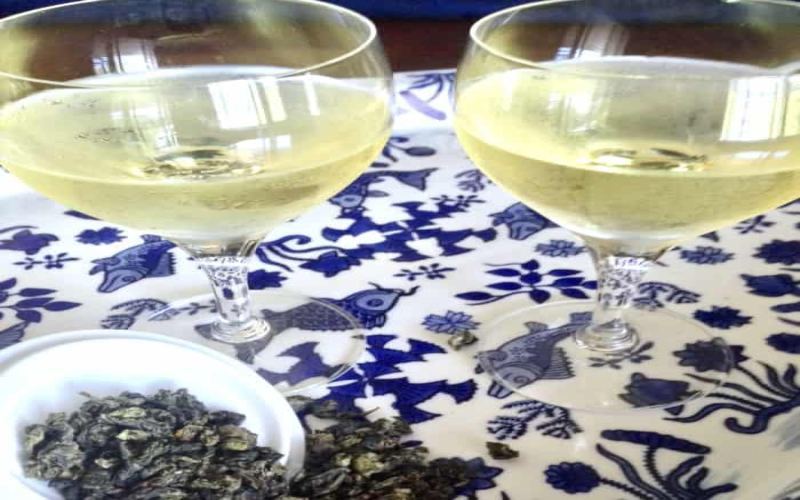
On a scorching summer day, cold brew tea has become the top choice for many coffee and tea lovers looking to beat the heat. Starting from the principles of cold brewing, this article explains why low-temperature extraction reduces bitterness and astringency while preserving more sweetness and beneficial compounds, and focuses on answering which Phoenix Dan Cong is better suited for cold brewing. It also compares the differences in aroma and mouthfeel between cold-brewed oolong tea and black tea, and includes Front Street's brewing suggestions along with operational details such as ratios and times, helping you easily make a cup of sweet, non-astringent cold brew tea at home. [more…]
Analysis of the Flavor Characteristics and Key Brewing Points of Cold Brew Coffee, Front Street Recommends Suitable Coffee Bean Producing Regions
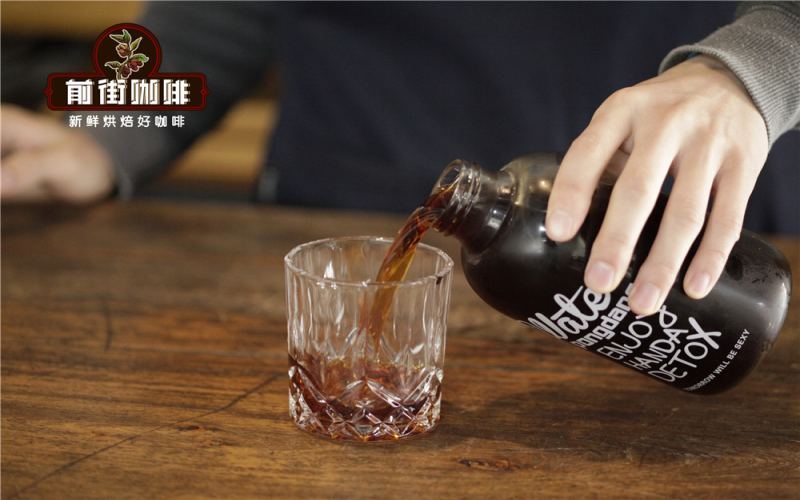
Cold brew coffee is a method of slowly extracting coffee flavors using low-temperature water, forming a sharp contrast with the high-temperature brewing of conventional pour-over. The low-temperature environment reduces the volatilization of aromas, locking flavor molecules within the coffee liquid; upon entering the mouth, as the temperature rises again, it delivers a concentrated and intense aromatic experience. The entire process takes several hours, and after dripping is complete, it still requires refrigeration and fermentation, so the price is relatively high but the taste is outstanding. This article will unfold from perspectives such as the origin of cold brew coffee, its flavor characteristics, the types of coffee beans suitable for it, and the specific operation methods of a cold brew tower, helping coffee enthusiasts gain a comprehensive understanding of this unique brewing method, and will append Front Street Coffee's bean recommendations and brewing suggestions. [more…]
The Benefits and Brewing Method of Cold Brew Coffee: Coffee-to-Water Ratio, Flavor Characteristics, and Front Street Single-Origin Bean Recommendations
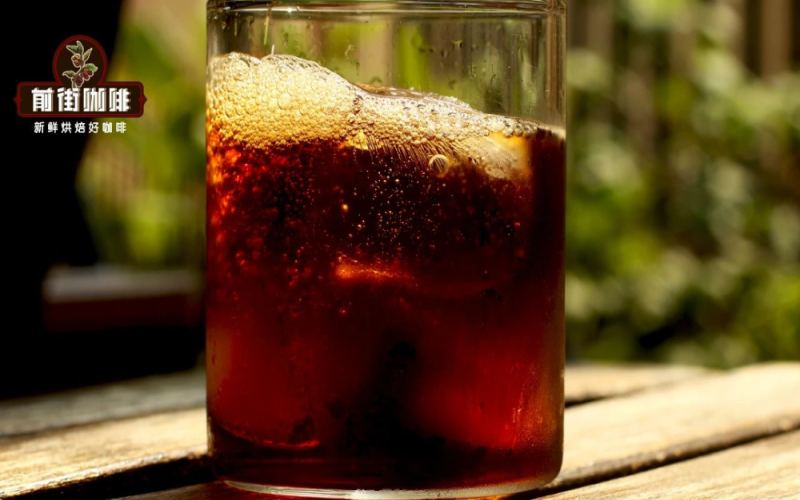
Cold brew coffee, with its refreshingly cool temperature and silky, full-bodied texture, has won the favor of more and more coffee lovers. Unlike hot brewing methods, cold brew involves steeping coffee grounds in cold or room-temperature water for an extended period, then refrigerating for 8 to 12 hours to complete the extraction. This method better preserves the unique aromas of the coffee beans themselves, while significantly reducing acidity and astringency, resulting in a fuller, cleaner taste. This article will systematically introduce the flavor characteristics, key production points, and coffee-to-water ratios of cold brew, recommend three Front Street single-origin coffee beans suitable for cold brewing, and provide a detailed analysis of the three major benefits and advantages of cold brew coffee in terms of caffeine content, acidity, and ease of preparation. [more…]

Cold Brew Coffee vs. Cold Brewing and Ice Drip: A Complete Guide to the Differences and Step-by-Step Home Brewing Tutorial
Cold brew, cold brew immersion, and ice drip coffee are three names that are often used interchangeably, leaving many coffee enthusiasts confused. This article approaches the topic from Front Street's perspective, first clarifying the differences between the three in terms of definitions and extraction principles, then explaining their respective taste characteristics. It then offers suggestions for bean selection for cold brew coffee, recommending Front Street Fruit Ding Ding, Front Street Huakui, Front Street Xizhao, and other beans suitable for summer cold brew. Finally, it includes a simple cold brew method covering grind size, coffee-to-water ratio, the effect of refrigeration time on flavor, as well as filtering and resting steps, to help readers make a fragrant, clean-tasting cold brew coffee at home. [more…]
Iced Coffee Brewing Methods | How long does it take to make cold drip coffee? What are the taste and flavor characteristics of cold drip coffee? What is the extraction principle of cold drip coffee?
There are many ways to brew coffee, and cold drip is one of them. Cold drip coffee is also a type of iced coffee, and in summer, iced coffee is even more of a favorite among coffee lovers. Cold drip coffee is naturally not brewed with hot water, but with low-temperature water, which is different from our usual pour-over coffee. [more…]

Is Cold Brew Coffee Really Low in Caffeine? A Detailed Explanation of Cold Brew Extraction Principles, Drinking Timing, and Preparation Steps
Cold brew coffee is made by extracting with cold water over a long period, resulting in a mellow body and lower astringency, making it a favorite among many coffee lovers. But is its caffeine content really low? Can you drink it right after brewing is complete? This article will start with the origin and principles of cold brew coffee, analyze the factors affecting caffeine content, and share Front Street Coffee's complete cold brew production process and brewing suggestions, giving you a comprehensive understanding of this coffee brewed with time. [more…]

Cold Brew Coffee Extraction Rate | How to Increase Cold Brew Coffee Concentration? What Is the Brewing Ratio for Cold Brew Coffee? Cold Brew Coffee Bean Recommendations for Specialty Coffee Drinks
Before writing this article, Front Street asked several coffee professionals/enthusiasts: "Under normal circumstances, when making cold brew coffee, if you use the same water, coffee beans, amount of coffee grounds, brewing container, and brewing time, how would you increase the extraction concentration of the coffee?" I believe everyone, like the interviewees, would [more…]
What Is the Difference Between Cold Brew Coffee and Ice Drip Coffee? A Full Guide to Low-Temperature Extraction Principles, Flavor Characteristics, and Brewing Methods
Cold brew coffee has swept across the United States in recent years. It is brewed with ice water or cold water, entirely at low temperatures, producing a clean cup that is low in acidity and bitterness, with a soft, sweet mouthfeel and fruity notes. Cold brew is strictly divided into the immersion style and the ice-drip style, but many people conflate the two. From the perspective of Front Street Coffee, this article sorts out the origins of cold brew coffee, the key points of water temperature and time, its differences from ice-drip coffee in extraction method and flavor layers, and recommendations for coffee beans suitable for making cold brew. Whether you prefer a rich, consistent cup or a bright, layered one, you can find the right one for you. [more…]
The Complete Guide to Cold Extraction Coffee: Cold Brew Principles, Handcrafting Tips, and Five Bean Recommendations for Cold Brewing
Making a refreshing, easy-drinking cold brew at home isn't complicated. This article centers on the core logic of low-temperature extraction, explains the difference between cold brew steeping and ice drip, analyzes why 4-10°C cold water brings acidity, sweetness, and body into better balance, and provides complete operational details from bean selection and grinding to coffee-to-water ratio and refrigeration time. It also rounds up the flavor profiles of five Front Street Coffee beans suited to cold brew, helping you reliably recreate a foolproof cold brew experience at home, along with storage and drinking suggestions. [more…]
Cold Brew Coffee Brewing Guide: Coffee-to-Water Ratio, Grind Size, and Recommended Coffee Beans
Cold brew coffee is extracted by steeping in cold water for a long time at low temperature, giving it a balanced flavor with soft acidity and sweetness, completely different from hot-brewed coffee. This article explains in detail the key points of making cold brew coffee, including bean selection, grind size, steeping time, and coffee-to-water ratio, and shares Front Street Coffee's practical methods. Whether you want to try a refreshing, juicy profile or prefer a balanced, full-bodied flavor, you'll find suitable beans and brewing suggestions in this guide. [more…]

A Complete Guide to Cold Brew, Ice Drip, and Iced Coffee: Brewing Principles, Historical Origins, and Front Street Coffee's Cold Brew Practical Parameters
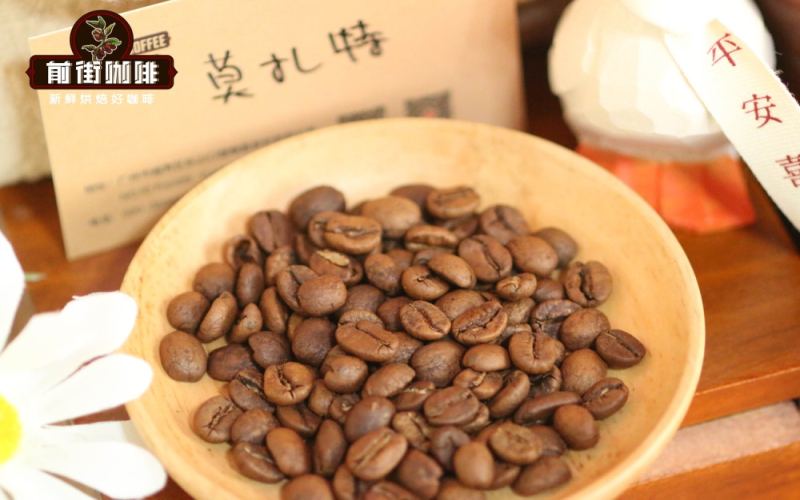
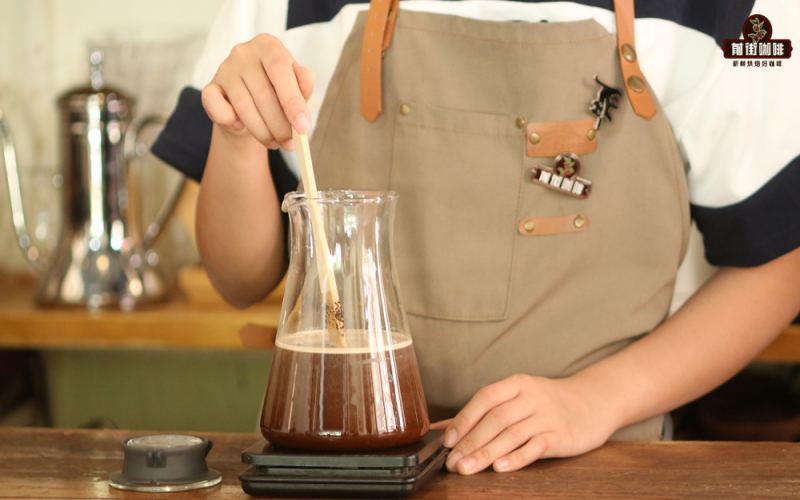
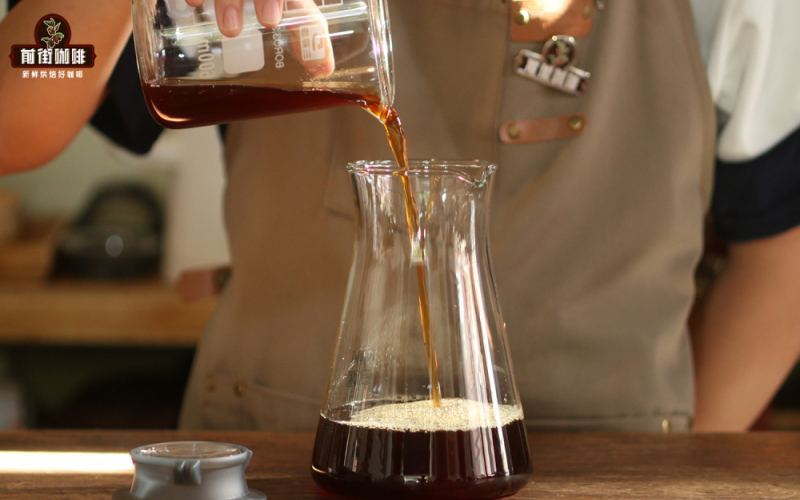
In the family of cold-extracted black coffee, the three names cold brew, ice drip, and ice brew often confuse people. What exactly is the difference between them? Why is ice drip also called Dutch coffee or Kyoto coffee? How can you make cold brew coffee so that it is consistently good? This article, from the perspective of Front Street, sorts out the definitions, historical context, and brewing logic of these three coffees, and includes the complete parameters and step-by-step instructions for Front Street Mozart cold brew, helping you understand the ins and outs of cold-extracted coffee in one go. [more…]

How to determine the coffee-to-water ratio for cold brew? From brewing steps to bean selection, explained clearly in one go
Cold brew coffee is not the same as the common iced coffee. It uses cold water and low-temperature extraction throughout, giving it a smooth mouthfeel, weaker acidity and bitterness, and a more faithful presentation of the coffee’s own flavors. This article focuses on cold brew coffee, first explaining its definition and flavor characteristics, then detailing the brewing method and coffee-to-water ratio, including key parameters such as grind size and steeping time, and finally recommending several coffee beans suitable for cold brew based on different flavor preferences, along with reminders about storage and the optimal drinking period. [more…]